Asbestos planning for Camas homes
Camas grew around a paper mill that has operated since 1883, and the city incorporated in 1906. That history still shows in its housing. Census estimates (ACS 2024 five-year) put about 24.5 percent of Camas homes in buildings from 1979 or earlier, a modest share, yet 10.7 percent, more than one home in ten, date from before 1940.
Older downtown houses versus newer subdivisions
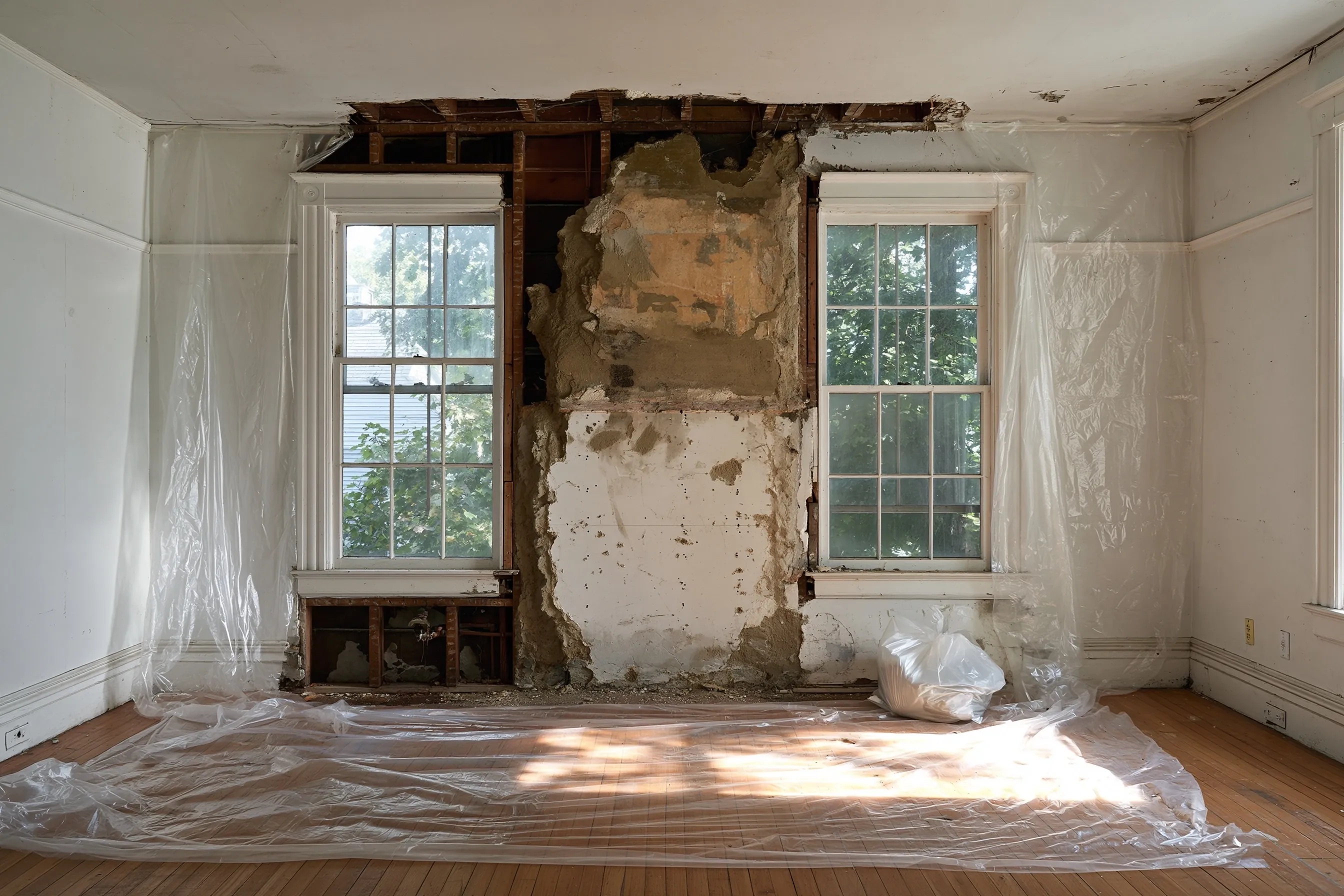
Houses from the mill-town decades can carry several generations of material: plaster or early drywall, flooring laid over flooring, exterior cladding added over the years and heating systems changed more than once. A survey there often finds more homogeneous areas than in a recent house. Age is only a starting point, though. SWCAA treats texture, flooring, mastic, siding and insulation as suspect whatever year they were installed, so a newer home being remodeled is not automatically clear.
Owner-occupied remodels
Roughly 78 percent of occupied Camas homes are owner-occupied (ACS 2024 five-year), so SWCAA’s owner-occupant path applies to a lot of local remodels. A resident owner working on their own single-family home may presume suspect materials are asbestos or rely on a lab analysis, gives SWCAA prior notification without a waiting period, and still wets, bags and disposes of the waste exactly as a certified crew must. Bring in a contractor and the contractor rules take over.
City permits
Building and demolition permits in Camas come from the City of Camas, not from Vancouver or Clark County. Ask the City of Camas permit center what your project needs, and keep the SWCAA notice and survey report ready, since those are required regardless.
Before you schedule removal
A Camas asbestos job usually moves through a short checklist. First, decide whether each suspect material will be sampled or presumed. Next, the Notice of Intent goes to SWCAA; for contractor work the clock then runs 10 days from receipt of the complete notice and fee, unless the job stays under 10 linear feet and 48 square feet. Projects above those sizes are also reported to L&I.
On site, the survey report or written presumption and the approved notice stay posted where workers can read them. Waste is wetted, sealed and labeled, then taken within 10 days to the disposal site named on the notice. SWCAA’s disposal list includes Columbia Resource Company transfer stations in Clark County, but each asks callers to confirm load requirements and fees, so acceptance is checked before removal day.
East of Camas along the Columbia, Washougal has its own mill history and a transfer station on SWCAA’s list; see asbestos removal in Washougal for what differs there.